


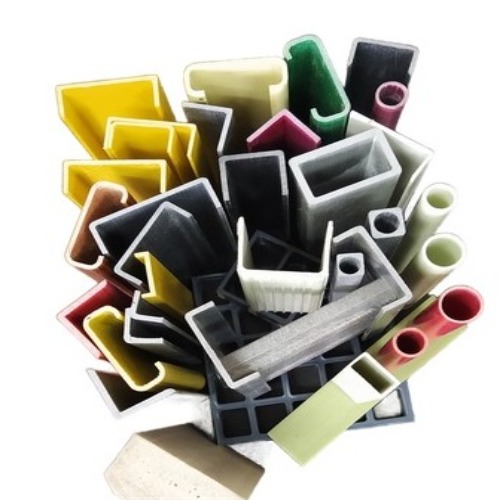
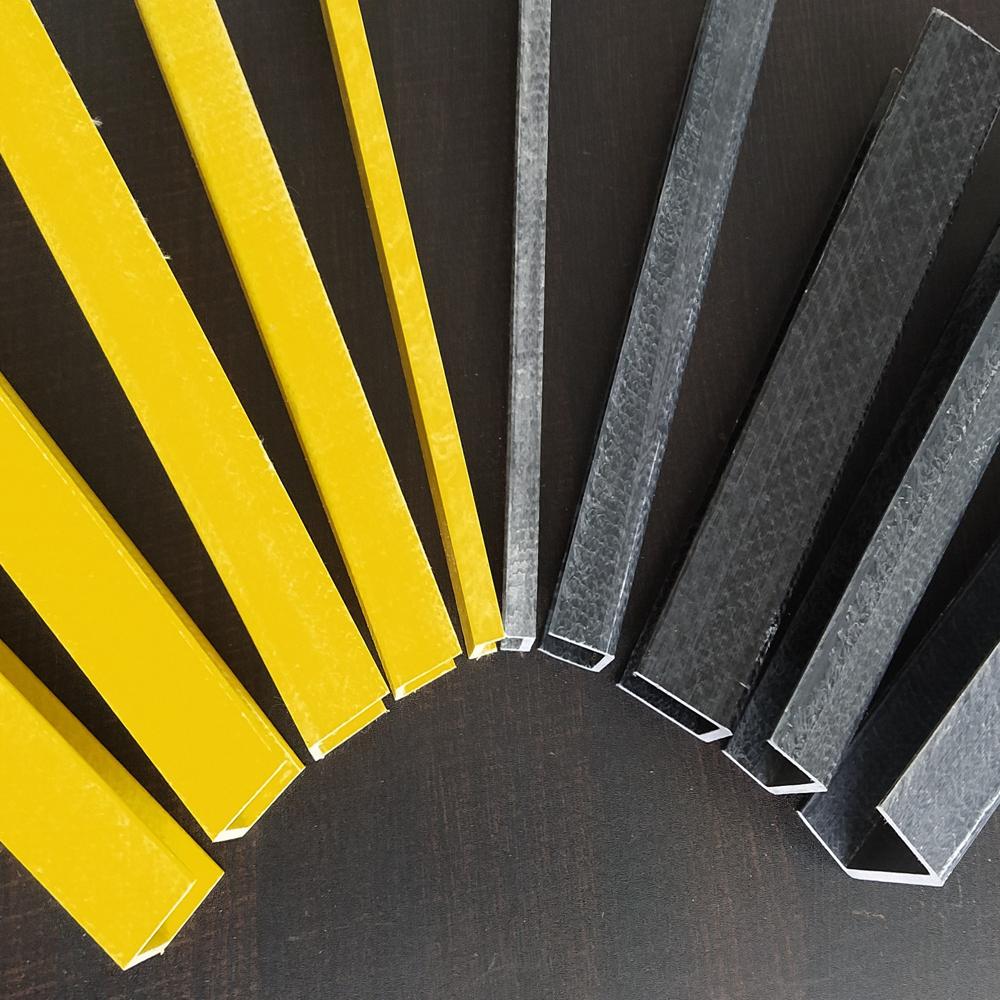
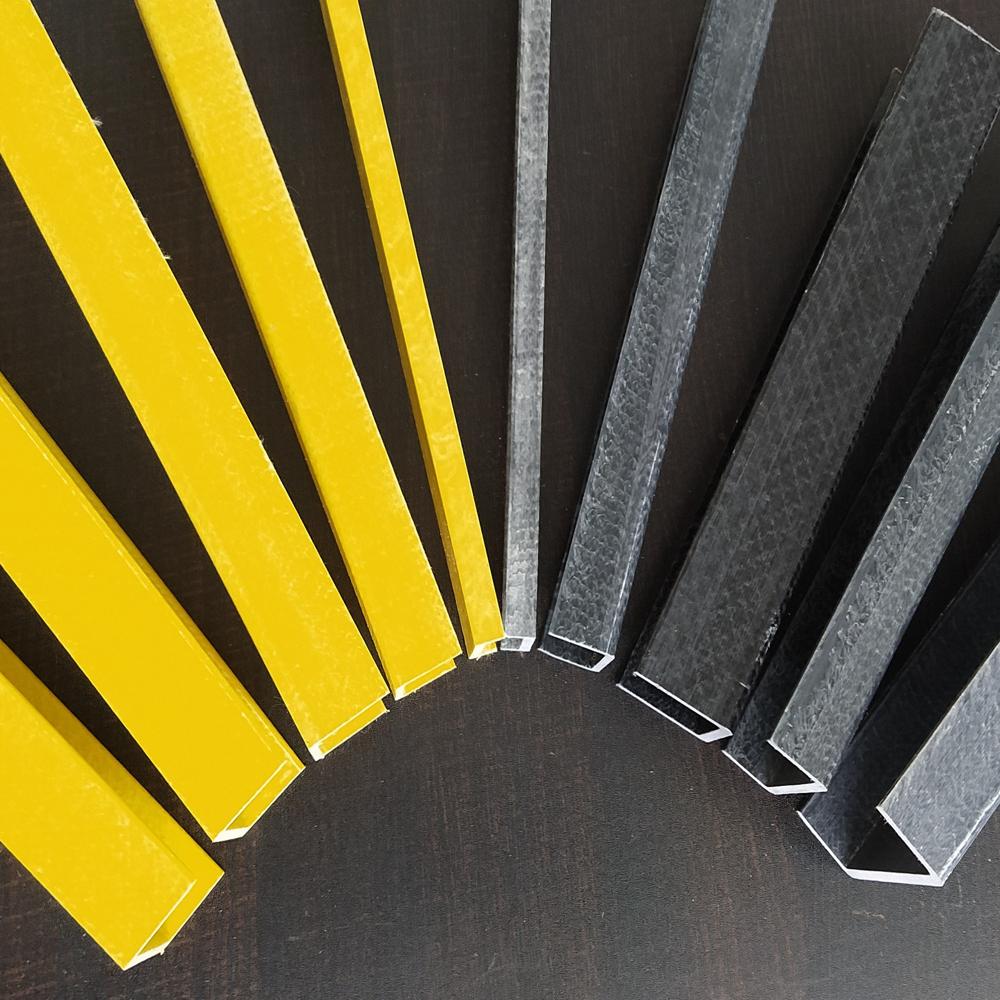
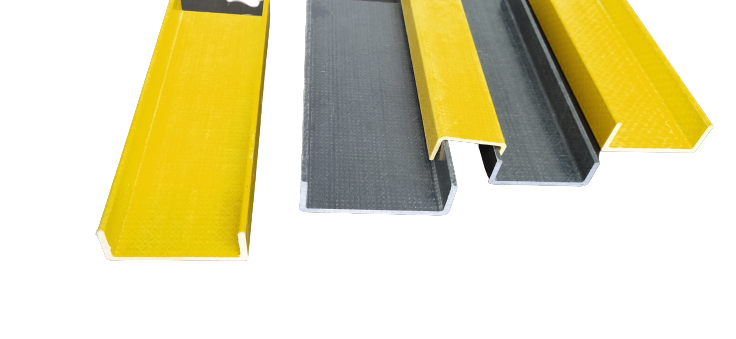
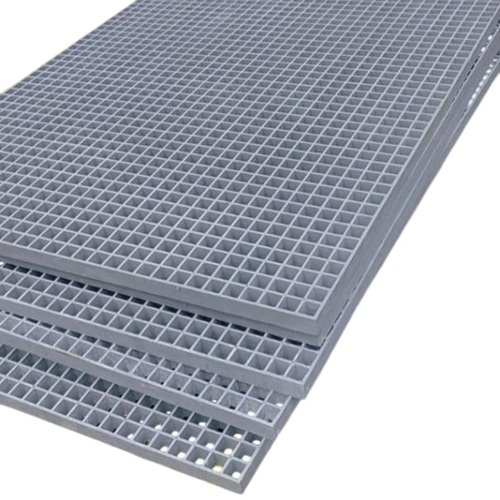
FRP Profile
135.0 INR/Kilograms
Product Details:
- Usage ELECTRICAL, CHEMICALS, CILVIL, OTHE SPECIIFED AREA
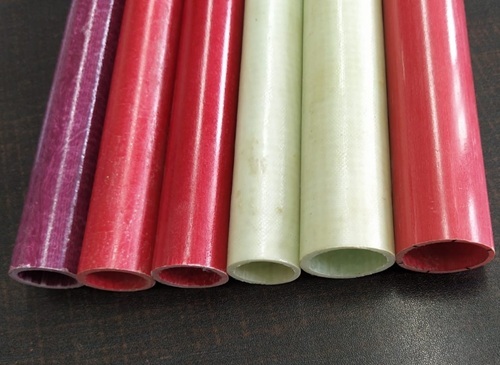
- Material Glass Fiber Epoxy Rod
- Application Insulator for 11 kv and 66 Kv
- Product Type Insulator rod
- Click to View more
X
FRP Profile Price And Quantity
- 50 Kilograms
- 135.0 INR/Kilograms
FRP Profile Product Specifications
- ELECTRICAL, CHEMICALS, CILVIL, OTHE SPECIIFED AREA
- Glass Fiber Epoxy Rod
- Insulator rod
- Insulator for 11 kv and 66 Kv
FRP Profile Trade Information
- 1000 Kilograms Per Day
- 1 Week
- All India
Product Description
# FRP / GFRP Standard Profiles #
1. ASTM D Standasrd Mechanical Ventilation Cooling Tower - Second Parts: Large Open Cooling Tower
2. Pultrusion Profiles per ASTM D Standasrd: Structural Fiber Reinforced Composites
3. ASTM D Standasrd: Fiberglass Pultruded Structural Products for Use in Cooling Towers
4. ASTM D: Standard Practice for Classifying Visual Defects in Thermosetting Reinforced Plastic Pultrusions
5. ASTM D : Standard Specification for Dimensional Tolerance of Thermosetting Glass Reinforced Plastic Pultrusions
# indian Areas Applications #
- Cooliing Tower Structural Profile
- Walkway Structural Profile
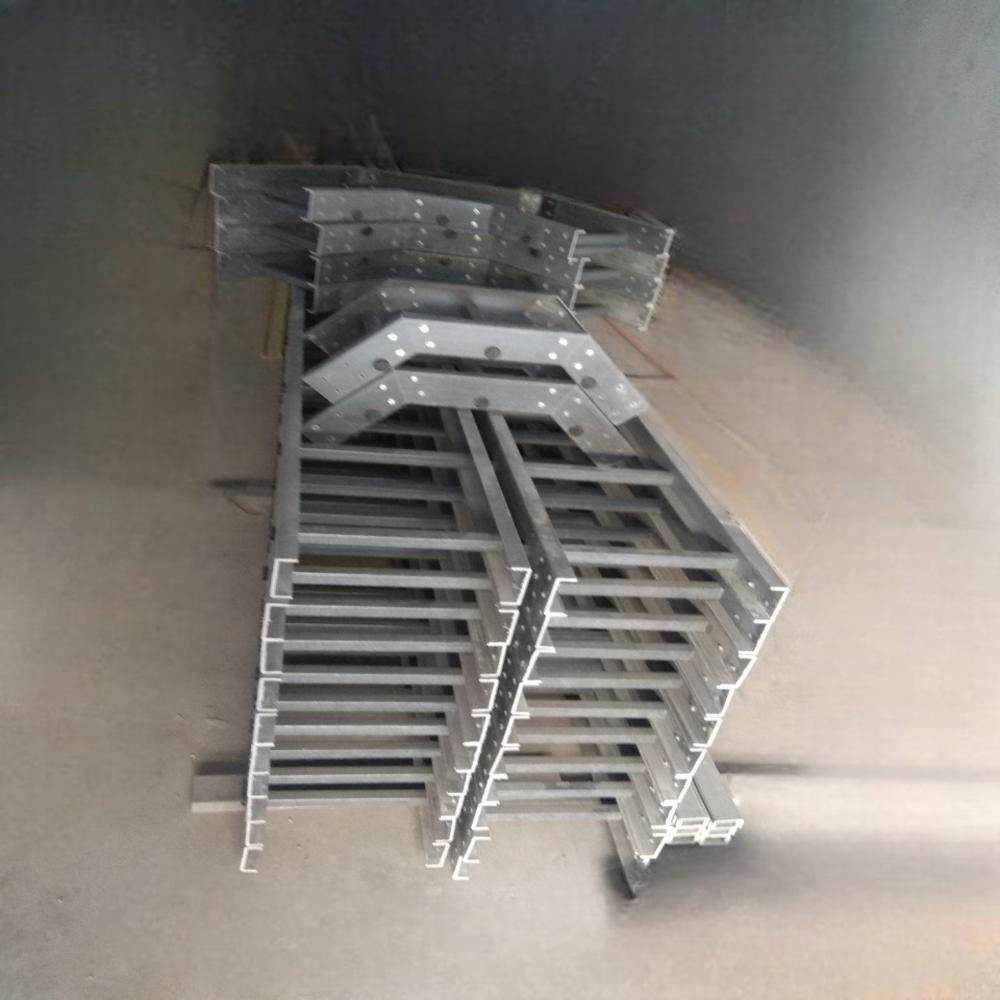
- Cable Tray Structural Profile
- Pedestrian Bridge Profile
- Ladder Profile
Superior Insulation for High-Voltage Applications
The FRP Profile serves as a robust insulator, handling voltages of 11 kV and 66 kV efficiently. Engineered from glass fiber epoxy rods, it ensures electrical safety and stable performance under demanding conditions. This makes it an essential component in modern power distribution and transmission networks.
Versatile Applications Across Industries
Designed for diverse uses, our product caters to sectors such as electrical utilities, chemical processing plants, civil engineering projects, and other specialized installations. Its excellent non-conductive and corrosion-resistant properties make it suitable for both indoor and outdoor environments.
FAQ's of FRP Profile:
Q: How is the FRP Profile used as an insulator in electrical systems?
A: The FRP Profile, made from glass fiber epoxy rods, offers high dielectric strength and insulation, making it ideal for preventing electrical leakage in systems operating at 11 kV and 66 kV. It is installed in switchgear, substations, and transmission lines to maintain safety and circuit integrity.Q: What advantages does using glass fiber epoxy rods offer for insulators?
A: Glass fiber epoxy rods provide superior mechanical strength, resistance to electrical conductivity, and excellent corrosion resistance. These attributes ensure reliable performance, minimal maintenance, and extended service life in both harsh chemical and electrical environments.Q: Where can these FRP Profiles be applied besides electrical installations?
A: Beyond electrical settings, FRP Profiles are utilized in chemical plants, civil engineering works, and diverse specialty areas where robust, non-corrosive insulators are essential. Their adaptability serves both industrial and infrastructural requirements.Q: What is the manufacturing process of your FRP Profiles?
A: Our FRP Profiles are produced using advanced pultrusion techniques, where continuous glass fibers are impregnated with epoxy resin and then cured to form rigid rods. This process yields consistent quality, dimensional accuracy, and enhanced mechanical properties.Q: When should I consider using FRP Profiles instead of traditional insulators?
A: FRP Profiles are suitable when high voltage insulation, lightweight properties, corrosion resistance, and durability are critical, especially in environments where traditional materials may degrade or fail due to chemicals or weather exposure.Q: How do these insulators benefit end-users in different sectors?
A: End-users benefit from reduced downtime, improved safety, and lower maintenance costs due to the FRP Profile's resilience against electrical, chemical, and environmental stresses. These attributes lead to greater operational efficiency and long-term reliability.Tell us about your requirement

Price:
Quantity
Select Unit
- 50
- 100
- 200
- 250
- 500
- 1000+
Additional detail
Mobile number
Email

Other Products in 'FRP Products' category

Contact Us

- 10, Sunshine Industrial Estate, Tajpur Road, Sarkhej-Bavla Highway,Ahmedabad - 362213, Gujarat, India
- Phone : 07313725990
GST : 24AHVPC3412G1ZM

- Send Inquiry
- Mr. Jay Chovatiya (Proprietor)
Mobile : 09725214546
 Send Inquiry
Our Products
 Send Inquiry
 Send SMS
SINEWY COMPOSITE PRODUCTS
All Rights Reserved.(Terms of Use)
Developed and Managed by Infocom Network Private Limited.
Developed and Managed by Infocom Network Private Limited.

